
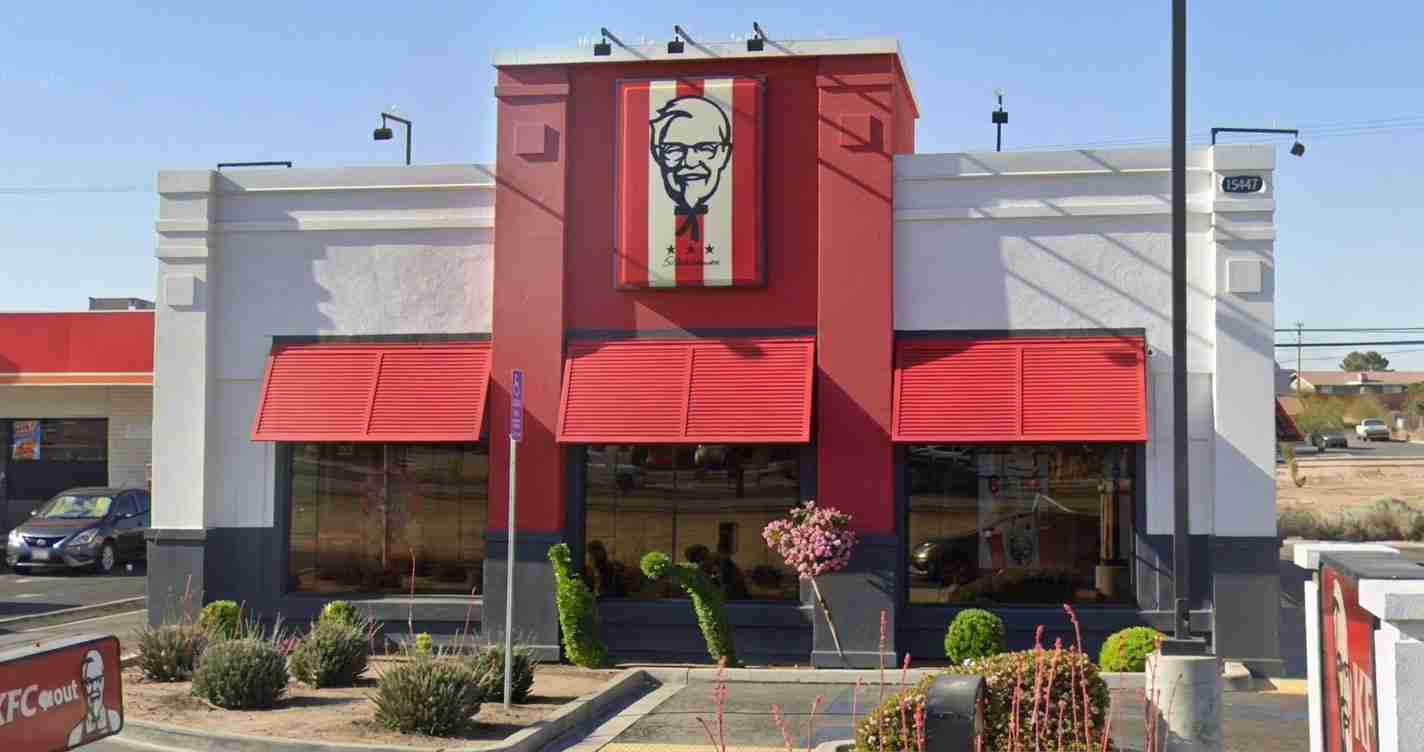
LOUISVILLE, Ky., July 19 (Nationwide Times) — KFC’s 1991 name change was a branding move, not a forced retreat from chicken. Kentucky Fried Chicken shortened its name to KFC to make the brand easier to say and to move attention away from the word “fried.” For a restaurant chain, that kind of change matters: names shape how customers see a company, and a cleaner, shorter name can help a brand feel more modern as tastes change.
The company’s own public explanation, as later repeated in reporting, was simple. Reader’s Digest quoted KFC as saying, “KFC is just easier to say with your mouth full.” Other accounts said the company wanted to de-emphasize “fried” and broaden the brand beyond fried chicken.
Why the switch drew so much attention
The rebrand also fed two long-running myths. One says the Commonwealth of Kentucky trademarked its name and forced KFC to pay licensing fees. Another says KFC had to drop the word “chicken” because it was serving genetically modified or “mutant” birds. Snopes says both stories are false or unsupported.
On the mutant-chicken rumor, KFC spokesperson Rick Maynard told Business Insider: “KFC uses only top quality poultry from trusted companies like Tyson and Pilgrim’s Pride — the same brands customers know from their local supermarkets.” Snopes says the rumor circulated for decades as a widely shared email hoax.
What the rebrand really meant
The real business story is less dramatic. KFC was trying to keep its name in step with changing consumer tastes. A brand that sounds less tied to fried food can appeal to customers who are looking for lighter choices, even when the company’s core product stays the same. That is why the change is best understood as marketing, not as a sign that the chain stopped selling chicken.
There is also no primary Kentucky state filing or court record in the source material here to back the licensing-fee rumor. So while the myth has lasted for years, the documented explanation remains the one KFC gave at the time: the company wanted a shorter, more flexible name that fit its business better.
